Prevention of suicide due to exam

The term suicide comes from the Latin word ‘ suicidium ‘, which means”to kill oneself “. At times suicide is defined as an intentional act undertaken with the objective of putting an end to one’s life. Suicide is often committed out of despair, feelings of helplessness, hopelessness or as a reaction to stress or major life hassles like financial difficulties, interpersonal difficulties or it may be attributed to some underlying mental disorder, such as depression, bipolar disorder, alcoholism. Each incident of suicide is a personal tragedy that not only prematurely and hastily takes the life of an individual, but also leaves a trail of more tragedies which in turn dramatically affect the lives of many other people including family members, friends and communities. According to WHO report , it is a leading cause of death among teenagers and adults under the age of 30. The rate of suicide is far higher in men than in women, with males worldwide three to four times are more likely to kill themselves than females .
Suicide is perceived as a social problem in our country and hence, mental disorder is given equal conceptual status with family conflicts, social maladjustment etc. According to World Health Organization (WHO), suicide does not just occur in high-income countries, but is a global phenomenon in all regions of the world. In fact, over 79% of global suicides had occurred in low and middle-income countries during 2016

According to the National Crime Records Bureau (NCRB), in 2014 alone, 8,032 student suicides were reported, out of which, in only 30% of these cases, failure in exams was the cause. In the majority of cases, there are other causes that trigger student suicides.

A day after the state government cancelled the board examination considering the prevailing Covid-19 situation in the state

5 students commit suicide in Assam over Class 10 results

The announcement of the Class 10 results of the exam conducted by Assam’s Board of Secondary Education (SEBA) is a much anticipated annual affair.

Not performing up to their expectations in Assam’s high school leaving certificate (HSLC) exam, results for which were announced on 30 July, reportedly led five students to commit suicide on Wednesday . All five took their lives by hanging.

The announcement of the Class 10 results of the exam conducted by Assam’s Board of Secondary Education (SEBA) is a much anticipated annual affair.

Experts say pressure from parents and peers to perform well leads students to take such extreme measures.

The reports of the students taking their lives came in from Assam’s Sarbhog, Baksa, Jorhat, Lanka and Bongaigaon.

Four girl students committed suicide for failing the exams while a boy in Bongaigaon killed himself after failing to secure first division (60% marks).

“A girl student from Baksa district committed suicide . Preliminary investigation suggests the cause was due to failure in HSLC exam. The victim was brought to a hospital in Barpeta Road where she was declared brought dead on arrival,” said Debadanda Das, in-charge of Barpeta Road police station.

Don’t limit your challenges, challenge your limits.”

Imagine your life without any challenge __ doesn’t it appear so boring?? In fact, challenges are the spice of life. Throughout one’s life an individual faces different challenges at different stages, each of which has the potential of helping one evolve into better and more competent individual. During school years one such challenges that we all face is handling examination pressure. Some see exams as a part of healthy competition, whereas, others view it as an ugly, scary, stress evoking monster. Well , examination strees has actually to do more with the attitude one carries towards it. Thus , knowing what it is and how to handle it, shall help one to turn these stumbling blocks into their success stories.

Suicide doesn’t end the chances of life getting worse , it eliminates the possibility of it ever getting any better . It is very sad that people are driven to take their own lives by their problems and all we can do is offer our help to people in need .
We should take prevention for this suicide cases such as:

* talk to them about thier issues and help them to be positive in every moment of life. Provide support and reassurance.

*If the child is feeling like sucidal than talk to them and provide them a good therapy by a good
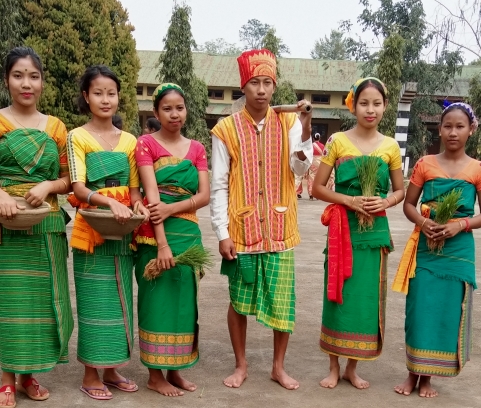
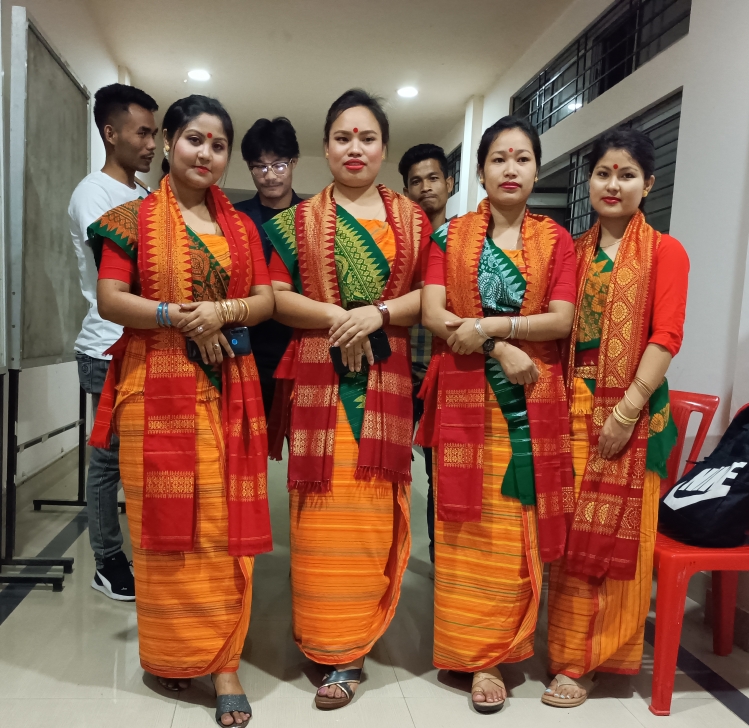
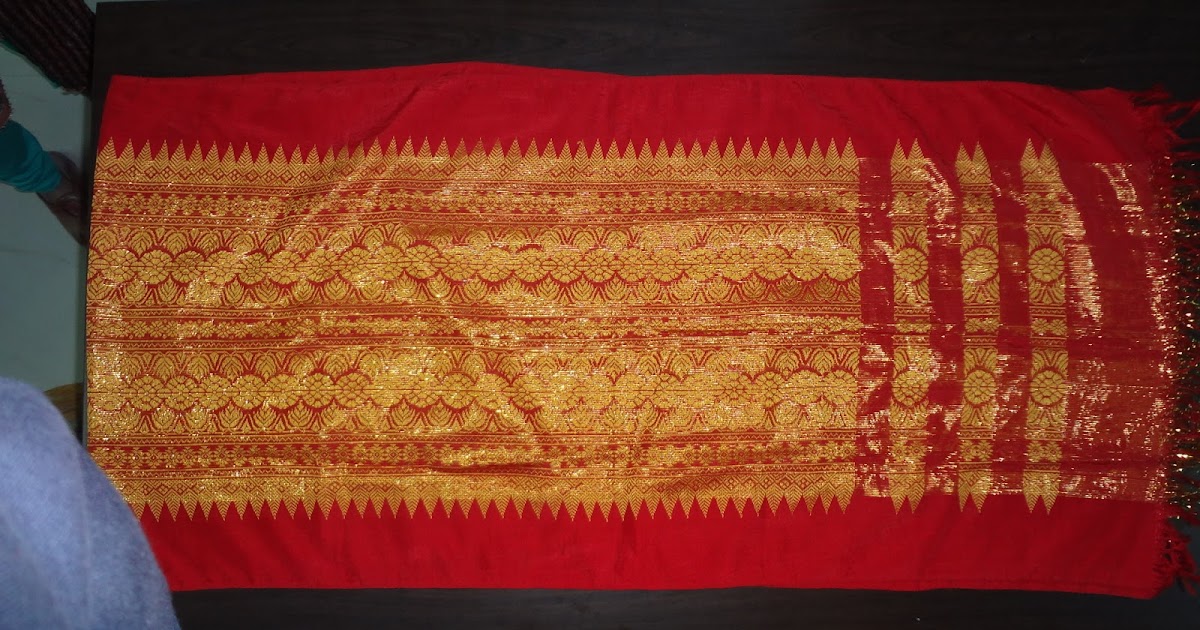
Traditional dress of Bodo tribe

Introduction :

The Boro is the largest ethnolinguistic group in the Assam state of India. They are a part of the greater Bodo-Kachari family of ethnolinguistic groups and are spread across northeastern India. They are concentrated mainly in the Bodoland Territorial Region of Assam, though Boros inhabit all other districts of Assam.

Handmade designs of the Boros :
The Bodo women are not only the
mistress of the House but also the expert spinner, weavers and handloom embroidery. They
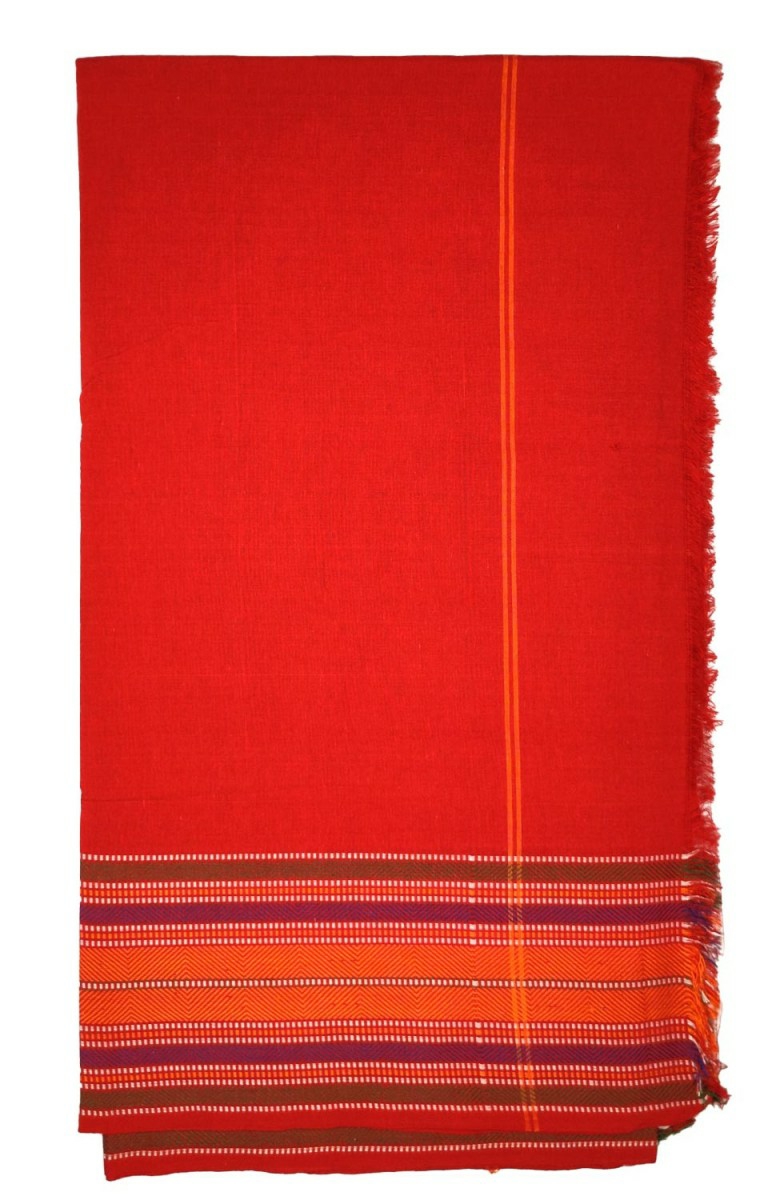
weave various kinds of clothes like—Endi Si, Dokhona, jwmgra, Aronai, Gamsa, Alon, etc.
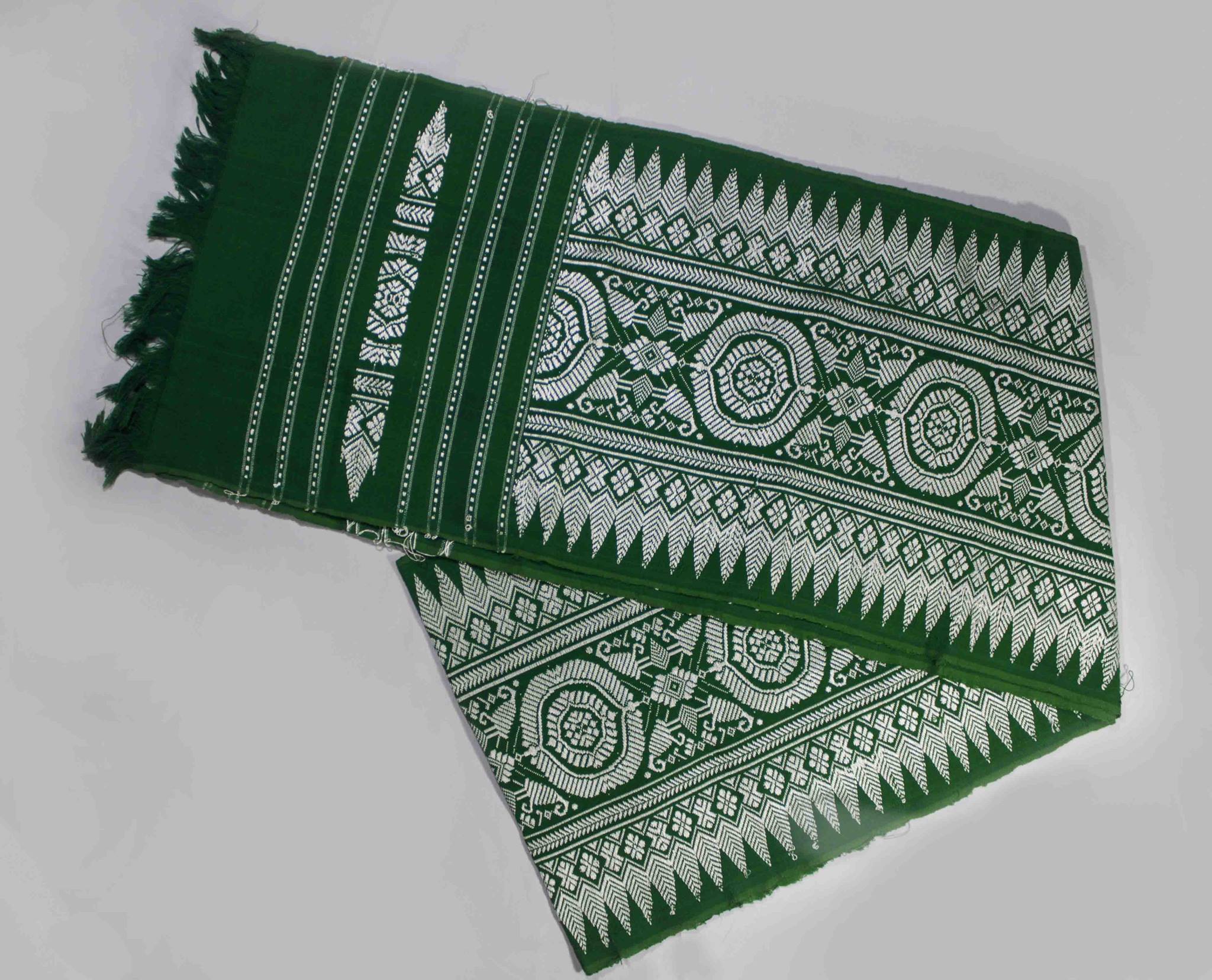
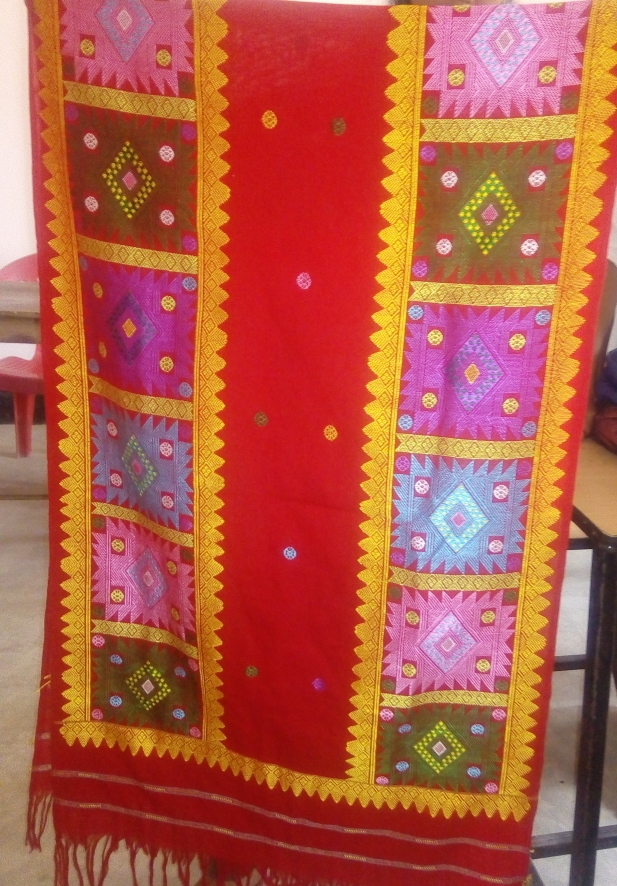
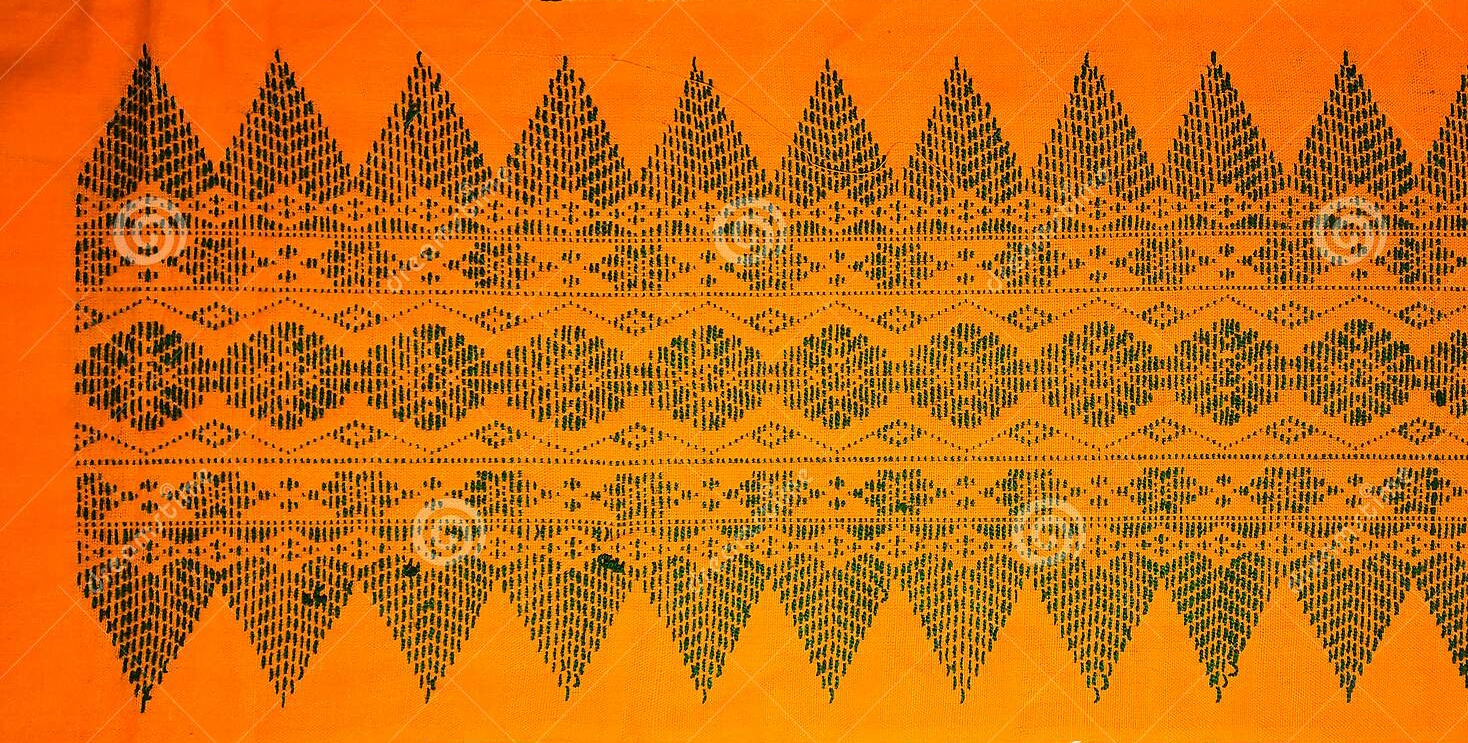
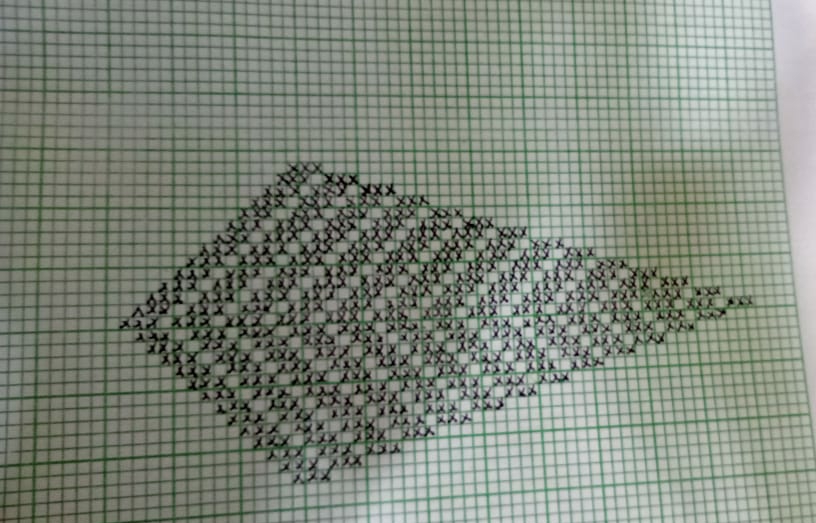
Hundreds of Boro handmade designs are there, which always bloom on the Boro traditional attires. Most of the Boro weavers says that, the Hajw agor and Phareo megon is the most common and important design on Boro traditional attires. Among the popular handmade designs, the following are mostly used Agor (design) used by Boro women

1. Hajw Agor (design of hills)

2. Bandhuram Agor (design first crafted by Bandhuram kachari)

3. Phareo Megon (design like pigeon eye)

4. Daorai Mwkhreb (winkle of peacock)

5. Phul Mwbla (varieties of bloomed flowers)

6. Dingkhia Mohor (design representing fern leaf)

7. Bwigri Bibar (design representing the flowers of plum)

8. Muphur Apha (design representing the footprint of bear)

9. Agor Gidir (design like a diamond shape)

10. Gorkha Gongbrwi Agor (design representing )

Aronai :

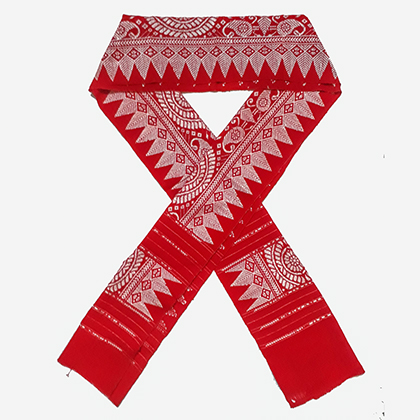
Aronai is a small Scarf, used both by Men and Women.Aronai is the sign of Boro tradition and is used to felicitate guests with honour, as a gift. In winter it is wrapped around the neck to warm up the body and generally used in the performance of Boro dance. In ancient period Boro warriors used Aronai as a belt in the battle field. At the time of the war, Boro women would weave Aronai within a single night and present it to the warriors as they set out for the battlefield.

Dokhona :

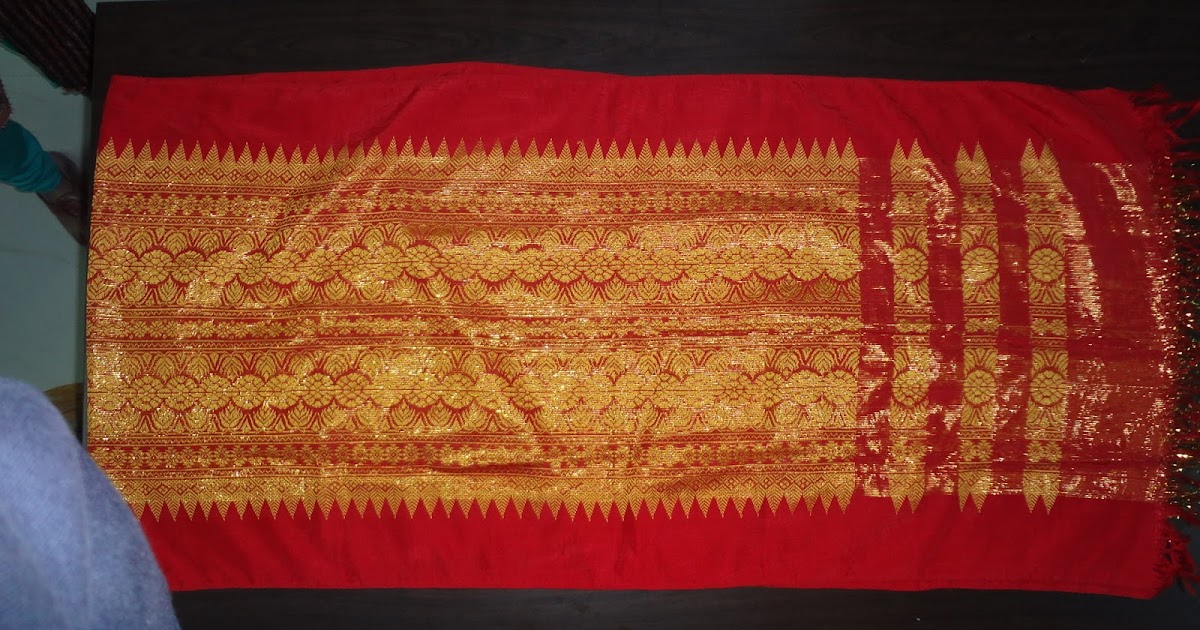
Dokhona is the traditional dress of Boro women. In general the length of the Dokhona is 3 metres (m) and width is 1.5 metre (m), sometimes it depends upon the figure of the body. It is worn to cover the whole body from chest to legs by wrapping one round at a time over the waist. Varieties of Agor (design) and different types of colours are weaved for Dokhona. There are mainly two types of Dokhona- Plain Dokhona & Designed Dokhona. It can be divided into some sub types (according to design), it depends upon designers. They are –

  1. Without design (Matha Dokhona or bidon)
Plain (only line without design)

  2. Design with plain border line (pari lanai)

3. Designed (Agor gwnang)
Whole body designed (mwdwm gongse agor)

4. Designed in border only (jing jing aaolo agor lanai)

5. Slightly designed in body as well as border (gejwraobw ese agor erdernai)

6. Matha Dokhona (bidon) is actually plain, without any Agor (design).

• Used to wear while worshipping of God. It is available with different colours but Matha Dokhona with yellow colour is used as a traditional bridal attire, which is known as Dokhona Thaosi (pure Dokhona). Along with Hinjao Gwdan (bride), Bwirathi (Women receptionist of bride and bridegroom in Boro marriages) wear Matha Dokhona. The favourite colours are generally Gwmw (Yellow), Gwthang (Green), and Bathogang (Colour of parrot’s feathers). Nowadays Boro women wear different colours of blouse with Dokhona to cover her upper bosom.


Jwmgra :

Boro women use Jwmgra (Scarf) to cover upper portion of the body (Length-around 2.5 metres, width-around 1 metre). They wear various colours of Jwmgra with varieties of Agor (design) to beautify themselves. The Hajw Agor (mountain design) is one of the most popular design among different designs.


Gamsha :

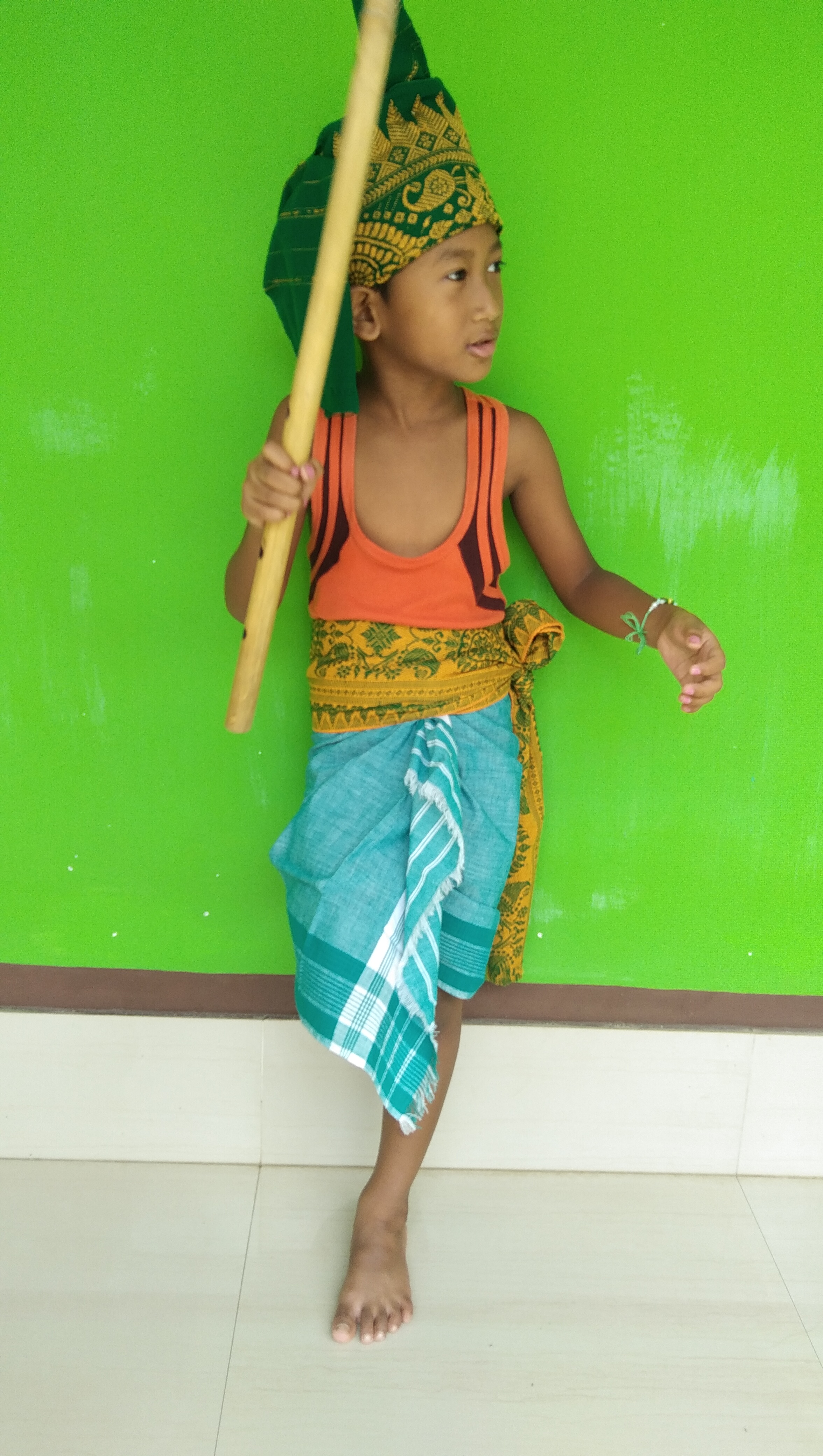
The Gamsha is Boro male traditional attire. Generally it is 2 metre (m) length & 1.2 metre (m) width. Boro men used to cover the portion from waist to knee by tying it in the waist. Gamsha can be different colours but Green with white (in border) is the most common colour in Boro Gamsha. Gamsha is compulsory to wear while worshipping the god and for Boro Bridegrooms

Conclusion :


The distinct clothes and costume of the Boros have attraction to another racial people of
various parts of Assam, NE India, India, Nepal and abroad. The contemporary spinning, weaving
and handloom embroidery clothes and costume of the Boros have become the time tested occupation for some of the indigenous Boro people. The adequate care and recognition and timely intervention by the authority in proper stage and encouragement is necessary— in such way like the use of Aronai in high profile social podium to welcome the guest in the state, NE India and even Country. Let the world know about the clothes and costume of the Boros.

https://youtu.be/EdkpfG_-CeI

https://youtu.be/1f-w7raxZbchttps://youtu.be/EdkpfG_-CeI

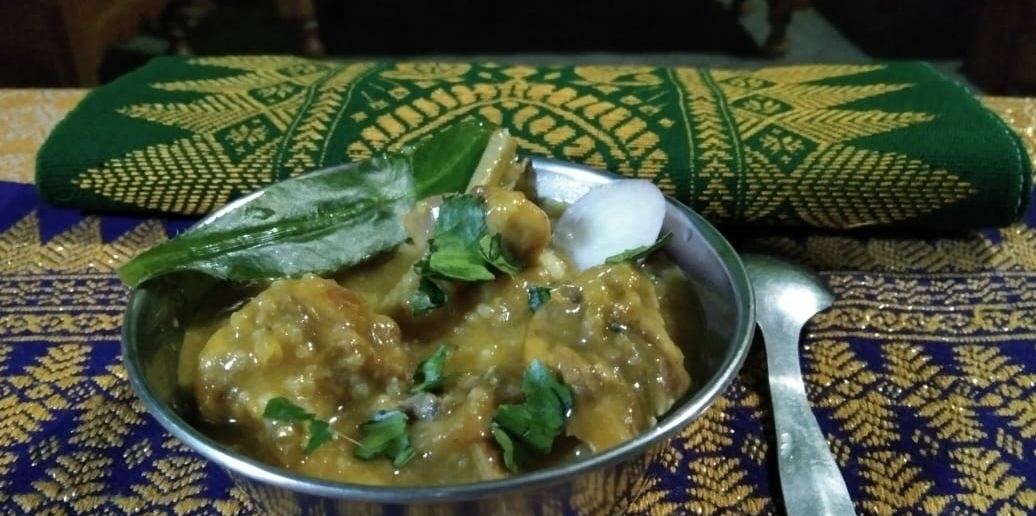
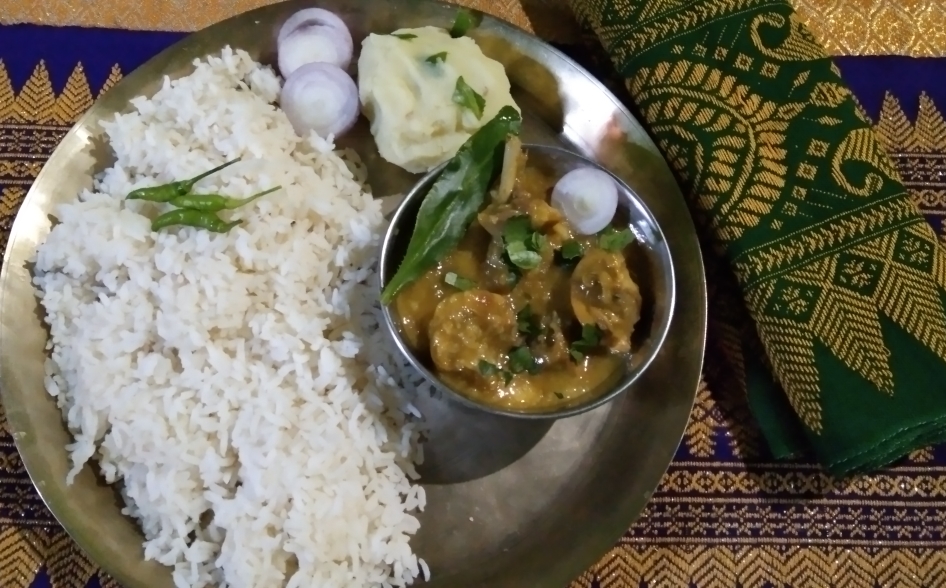
Bodo cuisine Daojwng Mewai Ondla ( Chicken with Bamboo Shoots Curry )

Introduction :

The Bodos or the Boros are descended from Mongolian people and the word Bod is supposed to mean homeland. Bodos are mainly found today in the Northeast Indian state of Assam.

• Meat (known as Bedor or Bedot) is an essential item for guests in the Bodo society. Bodos like many other societies across the world rear domestic bird and animals for the dual purpose of serving guests and also for economic pursuits.

I am not an expert but i like to learn how to cook traditional dishes whenever i get an opportunity. Every communities have different pattern of cooking techniques and habits which has been practiced by the ancestors and we practice it daily and it will go on and on . And we all love our traditional foods as we are habituated right from our birth. So, here i bring you to Bodo traditional dishes which is being practiced since ages . Among all of them i am going to write about one dish which is very much common and 80% of Bodo women knows how to prepare it. The dish is known as ONDLA, which is favorites of Bodo people . ONDLA can be prepared for both vegetarian and non-vegetarian as you prefer.So, here i will like to share the recipes and methods of cooking non-veg ONDLA.

Ondla: Ondla is a gravy made from rice powder and slices of bamboo shoots cooked lightly with oil and spices. Chicken or pork can be added to ondla.

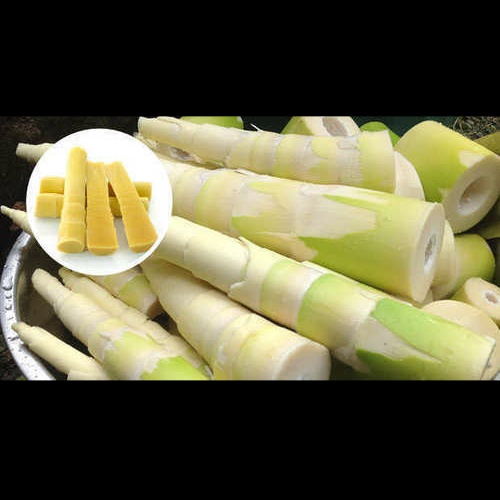
Bamboo shoots are the edible shoots of many bamboo species including Bambusa vulgaris and Phyllostachys edulis. They are used as vegetables in numerous Asian dishes and broths. They are sold in various processed shapes, and are available in fresh, dried, and canned versions.

Rice is the main staple food of Bodo people ,but is eaten with non-vegetarian dishes like fish , chicken or pork.

Daojwng Mewai Ondla

( Chicken with Bamboo Shoots Curry )


Ingredients:

Quantity

1. Chicken – 500 gm

2. Bamboo Shoots (preserved) -200 gm

3.Oil – 15. ml

4. Onion – 200 gm

5. Green Chili – 5-10 gm

6. Garlic – 5-10 gm

7. Coriander leaves -5 gm

8.Turmeric powder – 5-10 gm

9. Salt -. To taste

10. Rice Flour – 100-200 gm

11. Spices- 2 pinches each

12. Water – as required

13. Baking soda – 2-3pinches


Methods:

Serve with rice

• Cook the chicken as usual adding all the ingredients you like to add then cover it and let the water dry that is out of the meat. Let it turn to light brown and put some water on it. Let the chicken boil for some time keep covering the lid. While boiling add the bamboo shoots and let it cook for a while. Sprinkle over the rice flour into the boiling point. The flame should be maximum to avoid lumpy rice flour. While adding rice flour keep stirring . Cover it with lid for sometime and put it off from the flame.

• Sprinkle coriander leaves on the curry for texture and serve hot or cold.

• Wash the rice and dip into the bowl with water for 10 mins and rinse the water for a while and grind it into the mixture to get a rice flour out of it.