Introduction :
The Boro is the largest ethnolinguistic group in the Assam state of India. They are a part of the greater Bodo-Kachari family of ethnolinguistic groups and are spread across northeastern India. They are concentrated mainly in the Bodoland Territorial Region of Assam, though Boros inhabit all other districts of Assam.
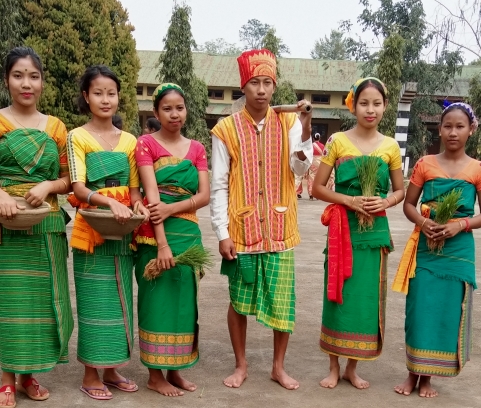
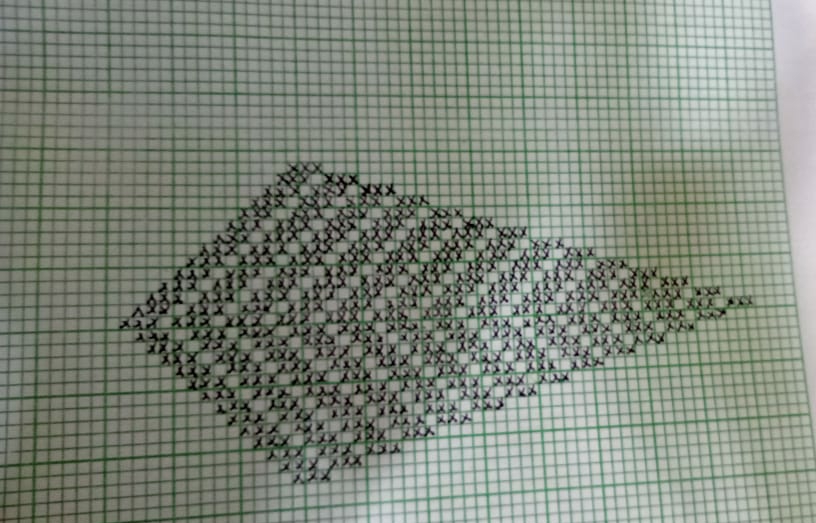
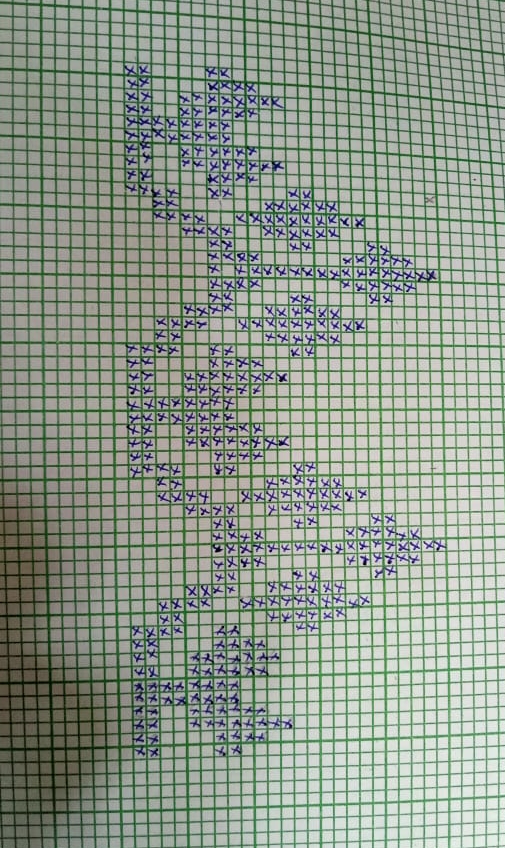
Handmade designs of the Boros :
The Bodo women are not only the
mistress of the House but also the expert spinner, weavers and handloom embroidery. They
weave various kinds of clothes like—Endi Si, Dokhona, jwmgra, Aronai, Gamsa, Alon, etc.
Hundreds of Boro handmade designs are there, which always bloom on the Boro traditional attires. Most of the Boro weavers says that, the Hajw agor and Phareo megon is the most common and important design on Boro traditional attires. Among the popular handmade designs, the following are mostly used Agor (design) used by Boro women –
1. Hajw Agor (design of hills)
2. Bandhuram Agor (design first crafted by Bandhuram kachari)
3. Phareo Megon (design like pigeon eye)
4. Daorai Mwkhreb (winkle of peacock)
5. Phul Mwbla (varieties of bloomed flowers)
6. Dingkhia Mohor (design representing fern leaf)
7. Bwigri Bibar (design representing the flowers of plum)
8. Muphur Apha (design representing the footprint of bear)
9. Agor Gidir (design like a diamond shape)
10. Gorkha Gongbrwi Agor (design representing )
Aronai :
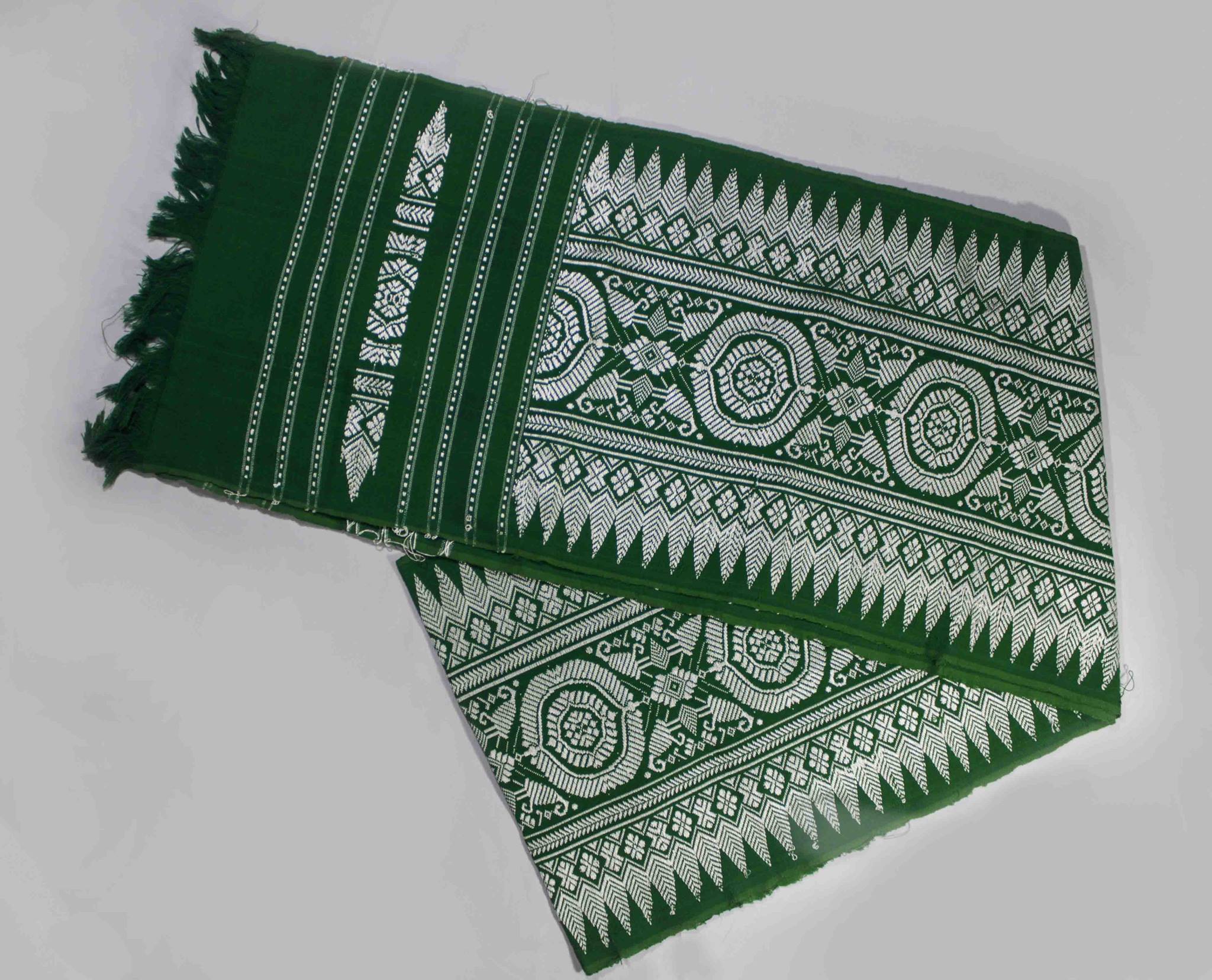
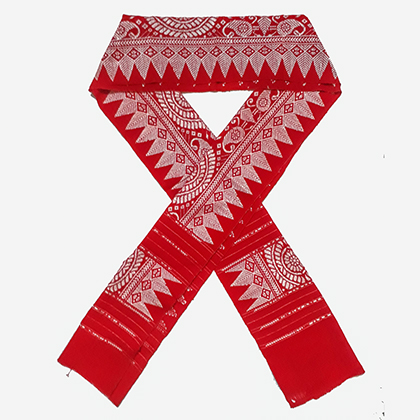
Aronai is a small Scarf, used both by Men and Women.Aronai is the sign of Boro tradition and is used to felicitate guests with honour, as a gift. In winter it is wrapped around the neck to warm up the body and generally used in the performance of Boro dance. In ancient period Boro warriors used Aronai as a belt in the battle field. At the time of the war, Boro women would weave Aronai within a single night and present it to the warriors as they set out for the battlefield.
Dokhona :
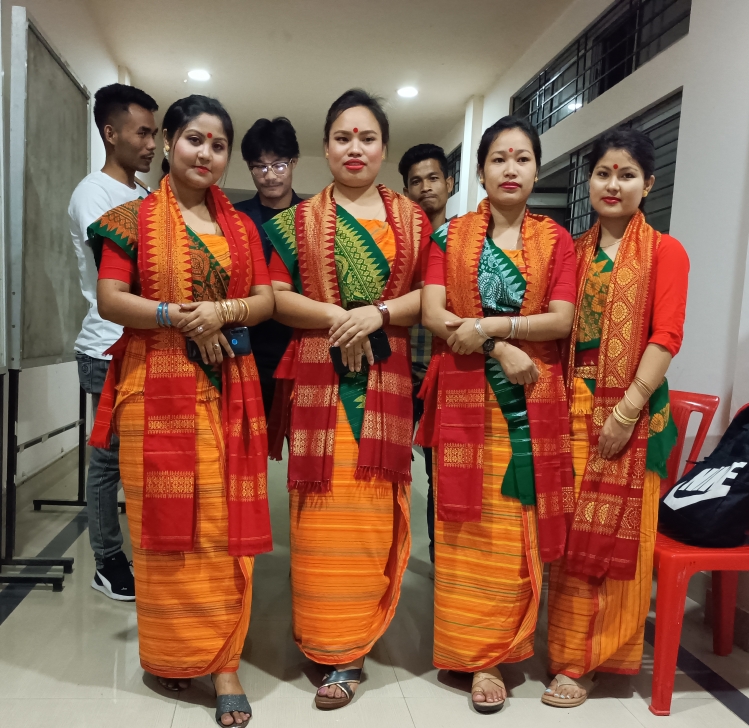
Matha/bidon dokhona 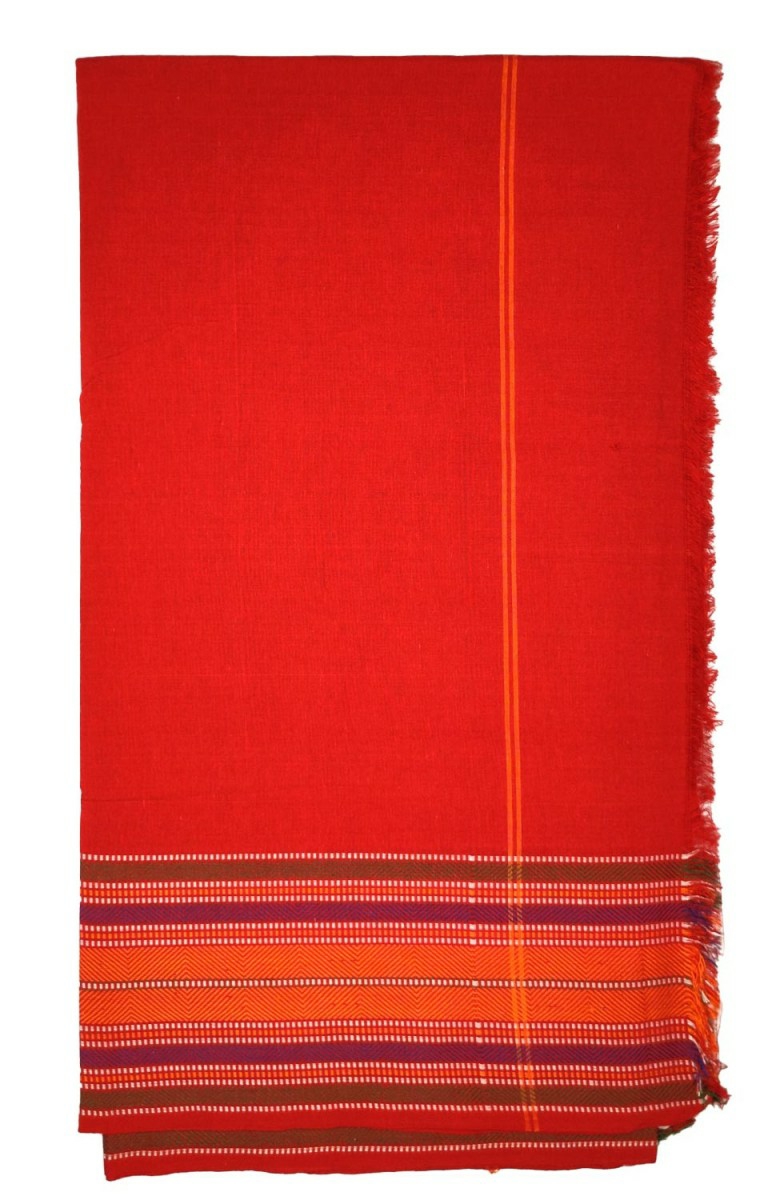
Dokhona thaosi
Dokhona is the traditional dress of Boro women. In general the length of the Dokhona is 3 metres (m) and width is 1.5 metre (m), sometimes it depends upon the figure of the body. It is worn to cover the whole body from chest to legs by wrapping one round at a time over the waist. Varieties of Agor (design) and different types of colours are weaved for Dokhona. There are mainly two types of Dokhona- Plain Dokhona & Designed Dokhona. It can be divided into some sub types (according to design), it depends upon designers. They are –
1. Without design (Matha Dokhona or bidon)
Plain (only line without design)
2. Design with plain border line (pari lanai)
3. Designed (Agor gwnang)
Whole body designed (mwdwm gongse agor)
4. Designed in border only (jing jing aaolo agor lanai)
5. Slightly designed in body as well as border (gejwraobw ese agor erdernai)
6. Matha Dokhona (bidon) is actually plain, without any Agor (design).
• Used to wear while worshipping of God. It is available with different colours but Matha Dokhona with yellow colour is used as a traditional bridal attire, which is known as Dokhona Thaosi (pure Dokhona). Along with Hinjao Gwdan (bride), Bwirathi (Women receptionist of bride and bridegroom in Boro marriages) wear Matha Dokhona. The favourite colours are generally Gwmw (Yellow), Gwthang (Green), and Bathogang (Colour of parrot’s feathers). Nowadays Boro women wear different colours of blouse with Dokhona to cover her upper bosom.
Jwmgra :
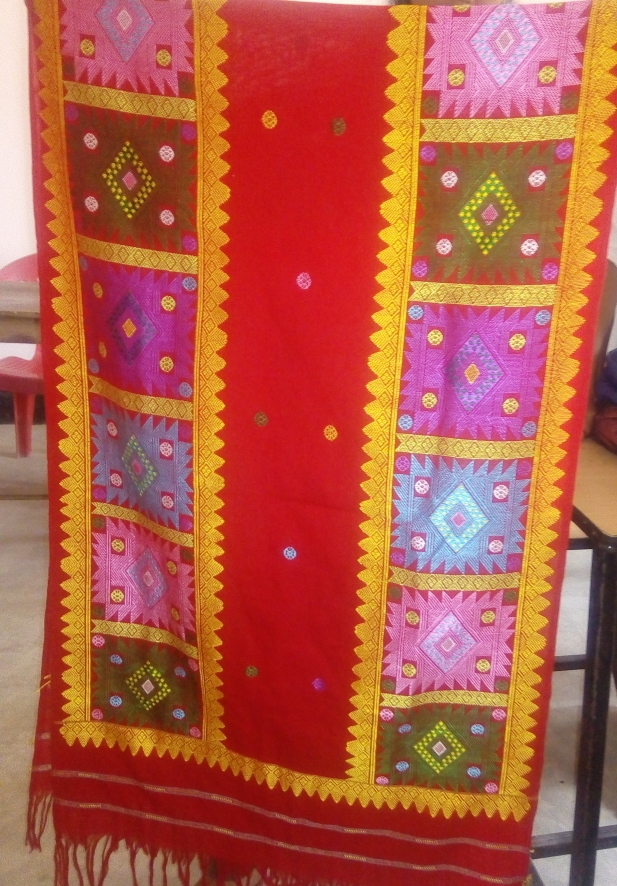
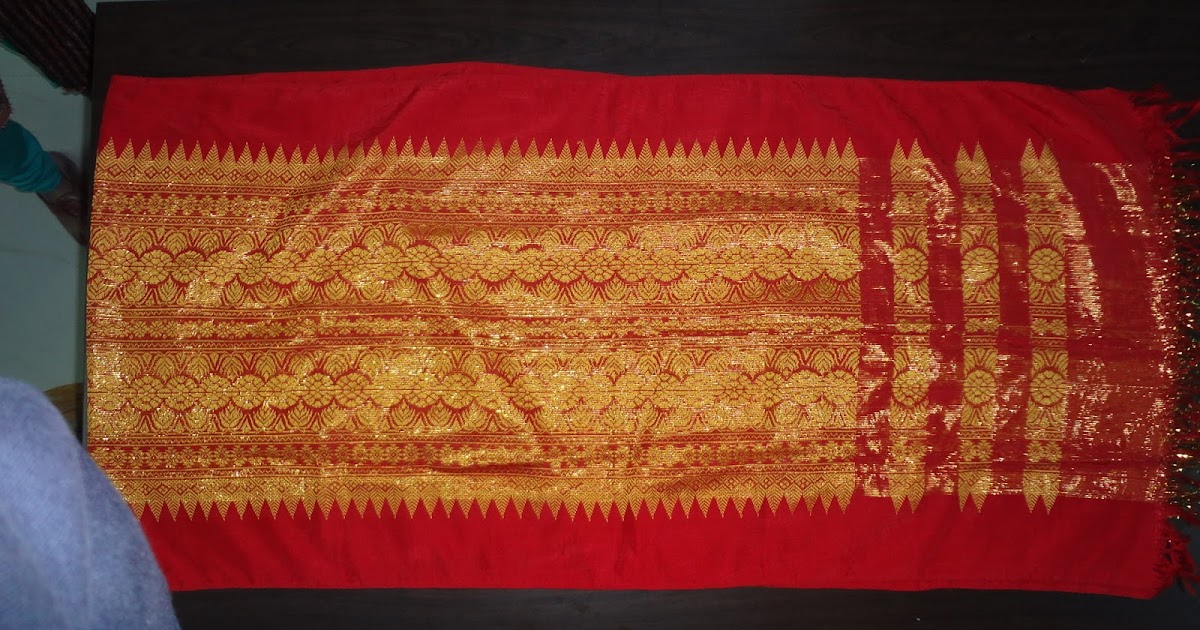
Boro women use Jwmgra (Scarf) to cover upper portion of the body (Length-around 2.5 metres, width-around 1 metre). They wear various colours of Jwmgra with varieties of Agor (design) to beautify themselves. The Hajw Agor (mountain design) is one of the most popular design among different designs.
Gamsha :
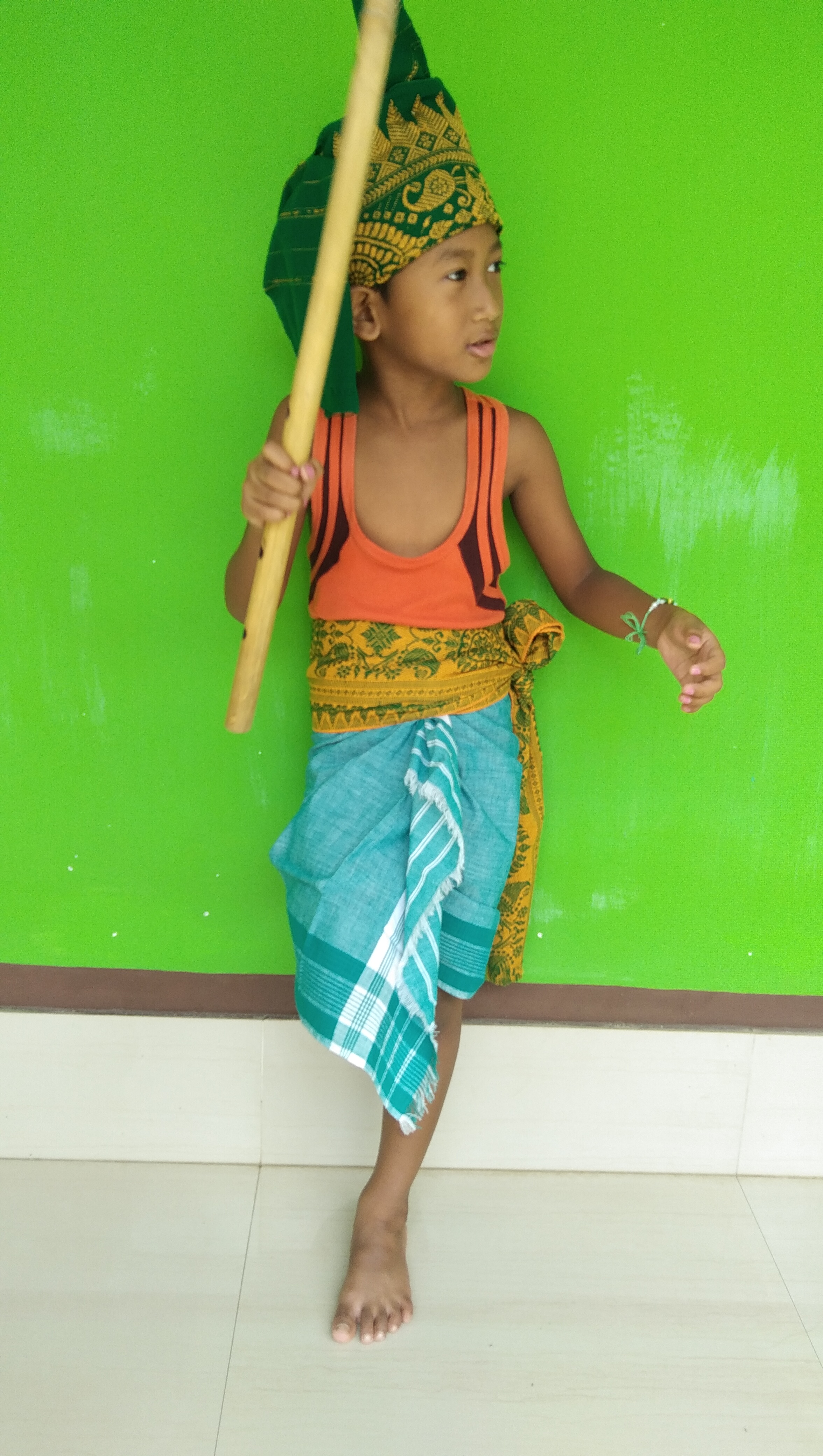
The Gamsha is Boro male traditional attire. Generally it is 2 metre (m) length & 1.2 metre (m) width. Boro men used to cover the portion from waist to knee by tying it in the waist. Gamsha can be different colours but Green with white (in border) is the most common colour in Boro Gamsha. Gamsha is compulsory to wear while worshipping the god and for Boro Bridegrooms
Conclusion :
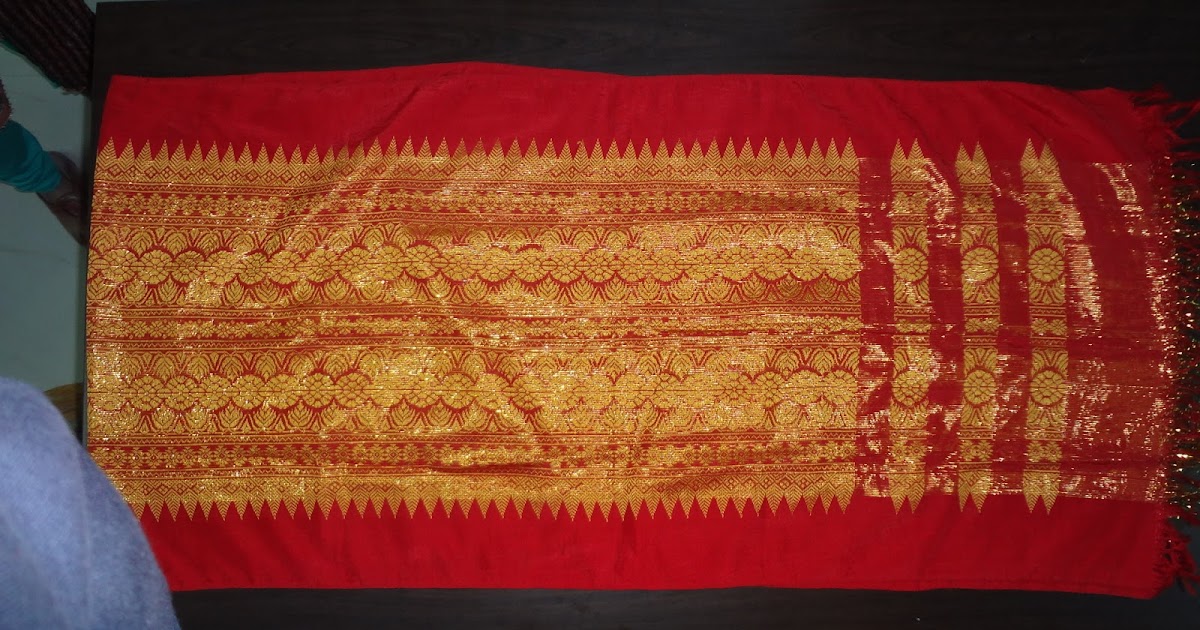
The distinct clothes and costume of the Boros have attraction to another racial people of
various parts of Assam, NE India, India, Nepal and abroad. The contemporary spinning, weaving
and handloom embroidery clothes and costume of the Boros have become the time tested occupation for some of the indigenous Boro people. The adequate care and recognition and timely intervention by the authority in proper stage and encouragement is necessary— in such way like the use of Aronai in high profile social podium to welcome the guest in the state, NE India and even Country. Let the world know about the clothes and costume of the Boros.
 Grow
Grow 